 Avitas Home
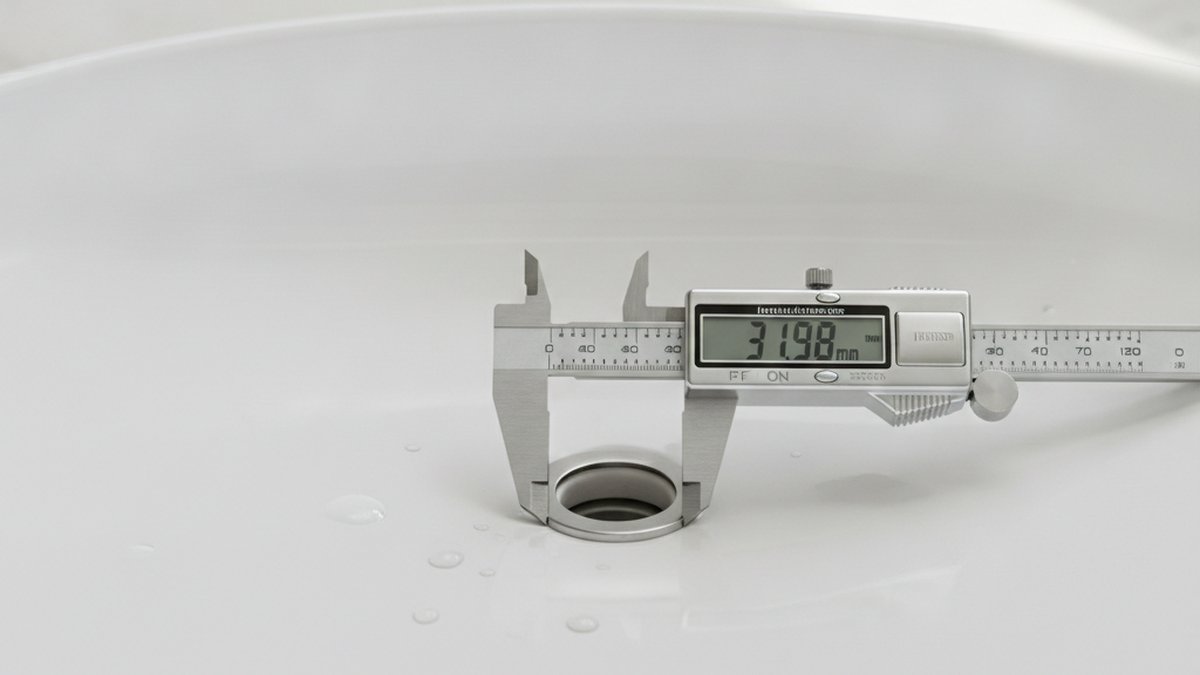
If you’re swapping a tap and staring at the hole in your basin or sink wondering what fits, here’s the short version: the standard tap hole size in Australia is 32mm, with most fixtures happily accepting anything from 32mm up to about 35mm. That single number solves 90% of replacement jobs. But there’s real nuance underneath it — bench thickness, older 25mm holes, three-piece tapware, and the difference between “the hole the tap needs” and “the hole your sink already has.” This guide walks through all of it in plain language so you can measure once, buy once, and install without a nasty surprise at the bench.
At avitashome, we spend our days fitting, testing, and returning tapware, so we’ve seen every version of “it won’t go in the hole.” Below is exactly what you need to check before you buy.
What Is the Standard Tap Hole Size in Australia?
The standard tap hole size in Australia is 32mm in diameter for basin and bathroom tapware, and 32–35mm across kitchen sinks and mixers generally. Manufacturers design the tail (the threaded shank that drops through the bench or basin) to pass through a 32mm hole, and they supply a base washer and locking nut that clamp down over that hole. Because 32mm is the design target, a slightly larger hole — say 33mm or 34mm — still works fine, because the tap body and its cover plate sit on top and hide it.
Here’s why the range exists rather than one fixed number:
- Basins and vanity units are almost always drilled or moulded at 32mm. This is the true “standard.”
- Stainless steel kitchen sinks are very commonly punched at 35mm from the factory, because bigger kitchen mixers with thicker shanks need the extra room.
- Ceramic and stone basins can arrive at 32mm or sometimes 35mm depending on the maker, so always check the spec sheet for your specific basin.
- Older Australian homes (think pre-1990s) sometimes have 25mm holes sized for skinny individual pillar taps, which causes fitment headaches with modern mixers.
The practical takeaway: if your hole measures anywhere from 32mm to 35mm, you are in standard territory and virtually every mixer sold in Australia will fit. The trouble starts below 32mm or above 40mm.
How Do I Measure My Tap Hole Correctly Before Buying?
Measure the internal diameter of the hole itself — not the tap, not the old base plate — using a tape measure, ruler, or ideally digital calipers across the widest point of the bare hole. You want the actual bore, edge to edge, with the old tap removed. Nine times out of ten in an Australian home you’ll read 32mm or 35mm.
Do it in this order so you don’t get fooled by decorative parts:
- Turn off the water at the isolation stops under the vanity or sink, then remove the existing tap and its base plate completely.
- Measure straight across the empty hole at its widest point. Record it in millimetres.
- Measure the bench or basin thickness too — the depth of material the tap shank has to clamp through. Standard stone benchtops run 20mm, but engineered stone can be 20–40mm, and a thick timber or double-layer bench can exceed what a short tap shank can grip.
- If you have three holes in a row (common on older basins), measure the centre-to-centre spacing as well — the Australian standard for three-piece tapware is generally 100mm–110mm between the outer holes and the centre.
That bench-thickness measurement matters more than people expect. A tap rated for up to 40mm of bench won’t tighten down on a 55mm slab, and it’ll wobble no matter how good the tap is. When you’re checking a product page, look for “maximum bench thickness” or “mounting thickness” in the specs — reputable listings state it.
Will a Standard Mixer Fit a 35mm Kitchen Sink Hole?
Yes — a 32mm-standard mixer fits a 35mm hole without any problem, because the tap’s base and mounting hardware cover the extra few millimetres. The tap sits on top of the surface, and the locking nut underneath tightens against a washer that’s wider than the hole. A 3mm gap around the shank simply disappears under the base.
The reverse is the situation to watch: a tap with a chunky 35mm shank will NOT drop into a 32mm hole. Some large commercial-style kitchen mixers and certain pull-out designs have fatter tails. If you’re fitting a big kitchen mixer into an existing 32mm basin-style hole, check the shank diameter on the spec sheet first. If it’s too tight, the hole can be enlarged with a diamond hole saw (for stone/ceramic) or a step drill (for stainless), but that’s a careful job — go slow, keep it cool with water, and don’t rush a stone benchtop or you’ll chip the surface.
If you’re shopping for a kitchen setup and want to compare shank sizes and reach before you commit, our rundown of the best kitchen faucets by brand lists the mounting specs alongside the features, and if you’d rather see and handle one in person first, we cover the buy-local-vs-online question in where to find the best kitchen taps near you.
What About Single-Hole vs Three-Hole Tapware?
Single-hole mixers need one 32mm hole; three-hole (or “three-piece”) tapware needs three separate holes, usually spaced 100–110mm apart centre to centre. These are two different mounting standards, and you can’t drop a single mixer into a three-hole basin (or vice versa) without an adapter plate.
Here’s how the two systems break down:
| Setup | Holes needed | Typical hole size | Best for |
|---|---|---|---|
| Single-hole mixer | 1 | 32mm (fits up to 35mm) | Modern basins, most vanities, minimalist look |
| Three-piece tapware | 3 | 32mm each, 100–110mm spacing | Traditional/heritage basins, separate hot & cold handles |
| Kitchen sink mixer | 1 | 32–35mm | Kitchens, laundries, larger benchtops |
| Wall-mounted mixer | 0 (bench) | N/A — mounts in wall | Vessel basins, stone benches with no drilling |
If your basin has three holes but you want a sleek single mixer, you don’t have to replace the basin. A three-to-one mounting plate (sometimes called an escutcheon or deck plate) covers the outer two holes and lets a single mixer sit over the centre. It’s a cheap, tidy fix. If you’re going the other way — moving away from bench-mounted tapware entirely — a wall-mounted option skips the hole question completely, and we’ve covered when that makes sense in our guide to a brass wall-mounted faucet setup.
For a compact vanity where a single tidy hole is the goal, a purpose-built single-hole mixer like the one in our Elate single-hole faucet review shows exactly how the 32mm standard plays out in a real small-bathroom install.
Do Australian Tap Holes Differ From US or European Sizes?
Yes, slightly — and it trips people up when they buy imported tapware online. Australia standardises on 32mm; the United States commonly uses 1-3/8 inch (about 35mm) for kitchen holes and 1-1/4 inch (about 32mm) for many bathroom faucets; Europe generally works to 35mm. Because the numbers are close, most imported taps still fit an Australian 32–35mm hole, but the risk is in the connections, not the hole.
The bigger compatibility issue with overseas tapware isn’t the mounting hole at all — it’s the water inlet threads and supply lines. Australian plumbing runs on metric BSP threads and specific flexible hose fittings, while US tapware often uses imperial threads and different supply-line connectors. A US tap can sit perfectly in your hole and still refuse to connect to your Australian isolation valves without adapters. If you’re matching hoses and connectors, our explainer on what supply line size a bathroom faucet needs walks through the fittings you’ll actually be joining.
There’s also a compliance angle worth knowing. In Australia, tapware sold for connection to drinking water must carry WaterMark certification and meet WELS (Water Efficiency Labelling and Standards) flow-rate rules. An uncertified imported tap that “fits the hole” can still be non-compliant, which matters for warranty, insurance, and passing a plumber’s sign-off. Fitting fits the hole; certification fits the law.
What If My Existing Hole Is the Wrong Size?
If your hole is too small (a 25mm heritage hole, for example), enlarge it with the right tool for the material; if it’s too big, cover it with a deck plate or move to a larger-based tap. Neither situation forces you to replace the whole basin or benchtop.
Common scenarios and the fix for each:
- 25mm hole, want a 32mm mixer: Enlarge to 32mm. In stainless steel, use a step drill bit. In ceramic or stone, use a diamond-tipped hole saw with water cooling, and go slow to avoid cracking — this is where a lot of DIYers wish they’d called a pro.
- Hole is 40mm+ from a previous oversized tap: Fit a tap with a wide base, or add a deck plate to cover the gap. Don’t rely on the base washer alone if the gap is large — water can track down into the cabinet.
- Three holes, want one mixer: Use a three-to-one cover plate as described above.
- Bench too thick for the shank: Some taps offer extension kits; otherwise choose a tap rated for your bench thickness from the start.
Whenever you enlarge a hole, keep in mind that once it’s bigger you can’t easily make it smaller again — so measure your new tap’s shank diameter and confirm the target size before the drill touches the surface. If the whole job starts feeling like it’s escalating (leaking valves, seized fittings, mystery threads), that’s a sensible point to bring in a licensed plumber, especially since altering water connections yourself can void certification in some states.
Quick Reference: Which Hole Size for Which Fixture?
For a fast answer by room: basins take 32mm, kitchen sinks take 32–35mm, and laundry tubs typically match kitchen sizing at 32–35mm. Here’s the at-a-glance table most people screenshot before heading to the store.
| Fixture | Standard hole size (AU) | Notes |
|---|---|---|
| Bathroom basin / vanity | 32mm | The core Australian standard; fits nearly all basin mixers |
| Kitchen sink | 35mm (32mm also common) | Larger to suit thicker kitchen-mixer shanks |
| Laundry tub | 32–35mm | Often shares kitchen tapware sizing |
| Heritage / older basins | 25mm | May need enlarging for modern mixers |
| Three-piece tapware | 32mm × 3 | 100–110mm centre-to-centre spacing |
If you’re plumbing a laundry rather than a bathroom, the hole size follows the kitchen rule, but the connections behind it differ — our guide to choosing a laundry tap joiner covers the fittings that trip people up once the tap itself is seated.
FAQ
Is the standard tap hole size in Australia 32mm or 35mm?
Both are “standard,” depending on the fixture. 32mm is the true standard for bathroom basins and most basin mixers, while 35mm is the common factory size for stainless steel kitchen sinks. A 32mm-designed tap fits a 35mm hole with no issue, so if your hole is anywhere from 32mm to 35mm you’re in the safe zone.
Can I fit a mixer tap into a 25mm hole?
Not without enlarging it. Modern Australian mixers need a 32mm hole, and older 25mm heritage holes are too small for their shanks. You can widen a 25mm hole to 32mm with a step drill (stainless) or a diamond hole saw (ceramic/stone), but work slowly and keep the tool cool to avoid cracking the surface — or have a plumber do it if it’s an expensive stone benchtop.
How thick a benchtop can a standard tap mount through?
Most standard tapware clamps through benches up to about 40mm thick, but always check the “maximum mounting thickness” on the product spec. Standard stone tops are around 20mm and pose no problem; very thick or double-layered benches over 40mm may need a tap with an extension kit or a longer shank.
Will an American or European tap fit an Australian tap hole?
Usually yes for the hole itself, because US (about 35mm) and European (35mm) sizes are close to Australia’s 32–35mm range. The real problem is the water connections — imported taps often use different threads and supply-line fittings than Australian BSP standards, and they may lack WaterMark/WELS certification, which affects compliance and warranty.
What do I do if my old tap left a hole that’s too big for my new tap?
Use a tap with a wide base or add a deck (escutcheon) plate to cover the gap and hide the oversized hole. This is a common, inexpensive fix and looks clean once installed. Make sure the base washer fully seals over the hole so water can’t track down into the cabinet below.
Do I need three holes for separate hot and cold taps?
Yes — traditional three-piece tapware needs three 32mm holes, typically spaced 100–110mm centre-to-centre. If you have three holes but prefer a single modern mixer, a three-to-one mounting plate covers the outer holes and lets one tap sit over the centre, so you don’t need a new basin.
A Note From the avitashome Team
This guide was written and reviewed by the avitashome tapware team, who fit, pressure-test, and warranty bathroom and kitchen fixtures for Australian homes every week. We measure real basins and benchtops rather than relying on catalogue numbers, and every tap we stock is checked against WaterMark and WELS requirements so it’s legal to connect to your drinking water. Australian tapware carried by reputable retailers typically ships with a warranty of 5 years and up on the tap body — always keep your receipt and register the product, because a correct install (right hole, right bench thickness, proper isolation valves) is usually a condition of that warranty. When in doubt about connections or altering a hole in stone, use a licensed plumber; getting the fitment right the first time is far cheaper than a cracked benchtop.