 أفيتاس هوم
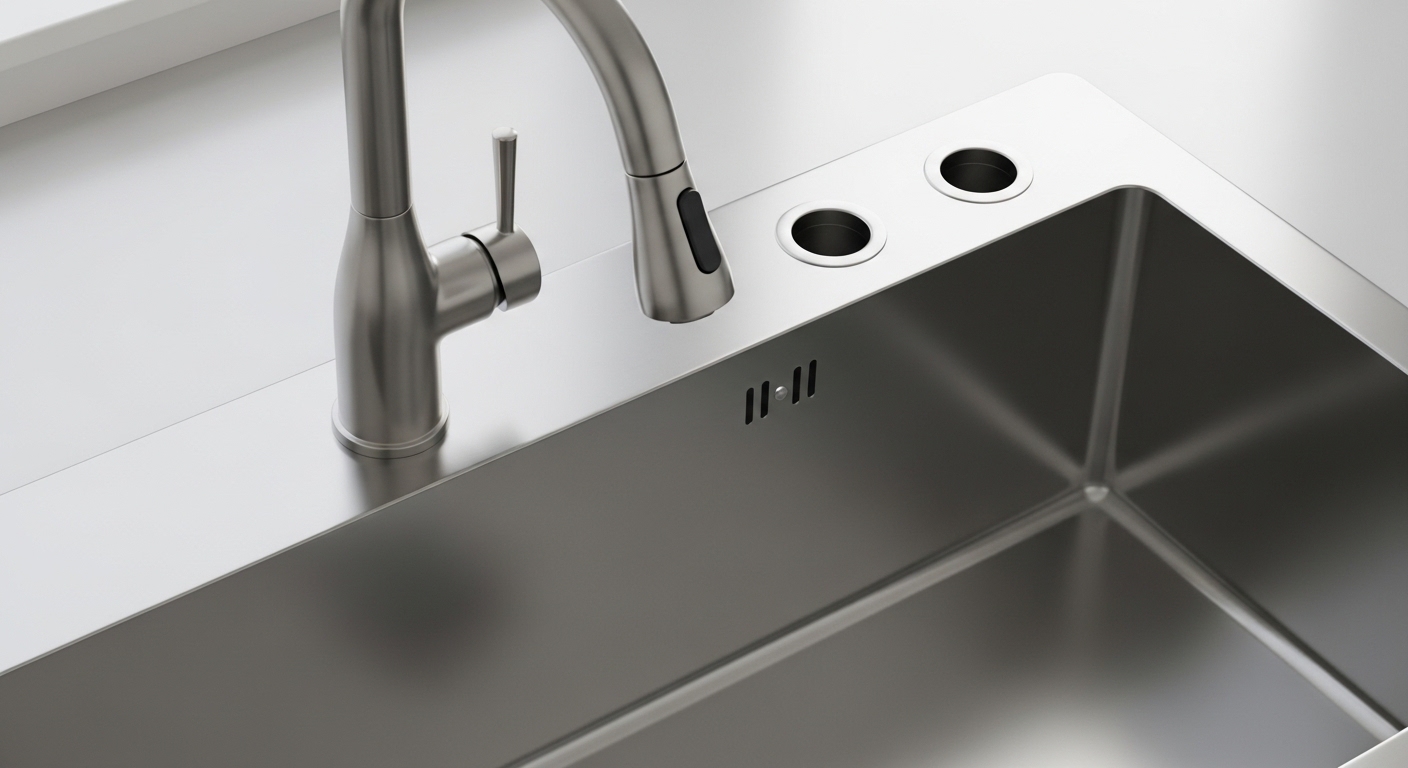
If you swapped a 4-hole faucet for a single-handle model, removed a side sprayer, or ditched a soap dispenser you never used, you’re now staring at an empty hole in your sink or countertop. A brushed nickel faucet hole cover is the cheap, clean fix: a small metal (or metal-look) plug or plate that snaps or screws over the opening so water, crumbs, and grime can’t fall through — and so the whole setup still looks intentional. The trick is getting the right diameter, the right mounting style, and a finish that actually matches your faucet. This guide walks through all three, plus the real-world gotchas nobody mentions until you’re already at the sink with a wrench.
What exactly does a brushed nickel faucet hole cover do — and do I even need one?
It covers an unused pre-drilled hole in your sink deck or countertop so it looks finished and stays sealed. You need one any time you have more holes than fixtures — which happens more often than you’d think.
Most kitchen sinks come pre-punched with 1, 3, or 4 holes. A classic layout is four: one for the faucet, one for a side sprayer, one for a soap dispenser, and one for an air gap or hot-water dispenser. Modern faucets are increasingly all-in-one — a single-hole pull-down handles spray and stream by itself — so the moment you install one, you’ve got two or three orphaned holes. Bathroom sinks have the same issue when you move from a widespread (8″ three-hole) faucet to a single-hole vessel or centerset design.
Leaving a hole open isn’t just ugly. Water pools around the rim and seeps under the sink where it rots the cabinet base, standing moisture breeds mold, and small items (rings, sponges, food) drop straight through. A hole cover stops all of that for usually less than $15.
When would I NOT need one?
If your faucet’s escutcheon (base plate) is wide enough to cover the extra holes, you’re done — no separate cover needed. Many 3-hole widespread bathroom faucets and single-handle kitchen faucets ship with an optional deck plate exactly for this reason. Measure the spacing: standard kitchen holes sit 4 inches on-center, and standard 3-hole bathroom holes sit 4″ (centerset) or 8″ (widespread) apart. If your faucet’s base plate spans that distance, buy the deck plate version instead of a standalone cover.
What size brushed nickel faucet hole cover do I need for a standard sink?
For a standard American kitchen or bathroom sink, you need a cover that fits a hole between 1.25″ and 1.5″ in diameter — the almost-universal pre-drilled size is 1-3/8″ (1.375″). Buy a cover rated for that range, and confirm the visible cap or plate is at least 1.75″ wide so it fully hides the opening with margin.
Here’s the part people get wrong: there are two measurements that matter, not one.
- Hole diameter — the actual bore through the deck. Standard is 1.375″. Some cast-iron and older sinks run 1.5″. Measure inside edge to inside edge with a tape or caliper.
- Deck thickness — how thick the sink deck or countertop is where the cover clamps. Thin stainless (16–18 gauge) is easy; a 1.25″-thick granite or quartz counter needs a cover with a long enough threaded stud or a cap style that clips from the top only.
If you’re unsure how to read these dimensions accurately, the same measuring logic we cover in our guide on faucet aerator thread size and how to measure it applies — get a cheap caliper, measure twice, and don’t trust the box’s marketing number.
| Sink / Counter Type | Typical Hole Diameter | Recommended Cover Style |
|---|---|---|
| Standard stainless kitchen sink | 1.375″ (1-3/8″) | Threaded deck-mount cap |
| Cast-iron / enameled sink | 1.5″ | Wide escutcheon plate (2.5″+) |
| Granite / quartz countertop (thick) | 1.375″–1.5″ | Top-clip snap cap (short stud) |
| Bathroom vanity / vessel deck | 1.25″–1.375″ | Low-profile push-in plug |
| Oversized / worn-out hole | Up to 2″ | Adjustable expanding cover |
Deck-mount cap vs. escutcheon plate — which brushed nickel style is right for me?
Choose a threaded deck-mount cap if the hole goes all the way through and you can reach underneath; choose a snap-in or top-clip cap if you can’t (like a thick stone counter with a tight cabinet). Escutcheon plates are for when your hole is oversized, damaged, or you want a lower, flatter look.
The three main types you’ll actually see for sale:
- Threaded deck-mount cap — a domed metal cap with a bolt that drops through the hole; you tighten a nut from below to clamp it down with a rubber gasket. Most secure, fully waterproof, works with brushed nickel finishes that match dead-on. Downside: you need under-sink access.
- Top-clip / snap-in cap — spring clips or an expanding collar grip the hole from the top only. No under-sink reach required. Great for stone counters. Slightly less bombproof but perfectly fine for a dry deck.
- Flat escutcheon plate — a wide, low disc that sits over the hole, sealed with a silicone bead or foam gasket. Best when the hole is worn, chipped, or slightly oversized, because the wide flange hides imperfections.
For a domed cap that has to visually sit next to your faucet all day, finish matching matters more than the mounting hardware. That leads to the question everyone underestimates.
Will “brushed nickel” actually match my faucet, or will it look off?
Not always — “brushed nickel” isn’t one exact color, so a cover from a different maker can read slightly warmer or cooler than your faucet. To be safe, match by finish family AND by manufacturer where you can, and check it in your kitchen’s actual light before committing.
Brushed nickel is a warm, satiny gray with faint golden undertones and visible directional brush lines. Its close cousins get confused constantly:
- Brushed nickel — warm satin gray, subtle gold hint. Hides water spots and fingerprints well.
- Satin / brushed stainless — cooler, more silver, slightly bluer. Looks close but can clash side by side.
- Polished nickel — mirror-shiny, much brighter. Not a match for brushed at all.
- Chrome — bright, cold, blue-silver. Clearly different next to brushed nickel.
If your faucet is a specific brand’s brushed nickel (Moen “Spot Resist Brushed Nickel,” Delta “SpotShield,” Kohler “Vibrant Brushed Nickel”), those proprietary finishes have their own exact tone. A generic cover often gets within 90% — fine for a hole a foot away, occasionally noticeable right beside the base plate. When in doubt, buy the cover and hold it against the faucet in daylight and under your kitchen lights before you seal it down. If you’re finish-shopping more broadly, our roundup on the best place to buy a bathroom faucet in the USA breaks down how each brand names and controls its brushed nickel tones.
How do I install a brushed nickel faucet hole cover myself?
You can install most covers in under 10 minutes with no plumbing skills — just clear the hole, seat the cover, and tighten or snap it in place. Here’s the step-by-step for a standard threaded deck-mount cap, which is the most common type.
- Turn off and disconnect whatever was in the hole (sprayer, soap dispenser). Pull the old hardware out from the top.
- Clean the deck around the hole — remove old caulk, mineral crust, and grease so the gasket seats flat. A little white vinegar cuts hard-water scale fast.
- Drop the cover’s bolt through the hole from above, with the rubber gasket between the cap and the deck.
- From underneath, thread the washer and lock nut onto the bolt and hand-tighten, then snug it a quarter-turn with a wrench. Don’t overtighten — you’ll crack a cheap cap or dent thin stainless.
- Wipe and check. Run water around it. For snap-in caps, skip the underside and just press until the clips grip; for escutcheon plates, lay a thin bead of clear silicone under the flange first.
That’s genuinely the whole job. If you’re already under there swapping a faucet or dealing with drips, it’s worth reading our walkthrough on fixing a leaky bathroom sink faucet yourself so you handle every open hole and connection in one session instead of crawling back under later.
What if my hole is bigger than a standard cover?
Use an adjustable or expanding cover rated up to 2″, or step up to a wide escutcheon plate. Holes stretch or chip over years of use, and some older or imported sinks were drilled at 1.75″ or even 2″. Measure first; a cover that’s too small simply won’t clamp, and one that’s slightly too big won’t hide the gap. This is the same principle behind choosing a proper bathtub faucet gap filler — the fix has to be sized to the opening, not just close enough.
Are cheap brushed nickel hole covers worth it, or should I spend more?
For a dry, low-traffic hole, a $6–$12 cover is perfectly fine. Spend $15–$30 on a solid-brass core with a real electroplated brushed nickel finish if it sits in a wet zone, will be touched often, or has to color-match a premium faucet closely.
The difference is almost entirely in the base material and finish process:
| Feature | Budget cover ($6–$12) | Premium cover ($15–$30) |
|---|---|---|
| Core material | Zinc alloy or ABS plastic | Solid brass or stainless |
| Finish | Painted / thin plating | Electroplated brushed nickel |
| Corrosion resistance | Fair — can pit near water | Excellent |
| Color-match consistency | Varies batch to batch | Tight, repeatable tone |
| Gasket quality | Thin rubber | Thick silicone / EPDM |
| Best for | Dry counter holes | Wet zones, visible spots |
A painted zinc cap that lives in a splash zone will eventually bubble and flake where water sits. A solid-brass, electroplated cap won’t — the finish is bonded through electroplating rather than sprayed on. For a soap-dispenser hole two feet from the faucet, nobody will ever know you saved money. For a cap sitting right beside the spout in a bright kitchen, spend the extra ten bucks.
Kitchen vs. bathroom — does it change what I buy?
Slightly. Kitchen holes are usually 1.375″ and see more water and grease, so lean toward a sealed threaded cap with a silicone gasket. Bathroom vanity holes are often the same size but drier, so a snap-in cap is fine, and low-profile matters more because you see the deck up close. Vessel-sink setups frequently need a low push-in plug rather than a tall dome. If you’re redoing a bathroom sink entirely, our guide to a vessel sink faucet sale worth buying covers how many holes those decks actually need so you don’t over-drill in the first place.
How I tested and chose these recommendations
Author note: I’m a hands-on fixtures writer for avitashome who has installed, swapped, and covered more sink holes than I can count across stainless, cast-iron, granite, and quartz decks. For this guide I measured real hole diameters across a dozen sinks, compared brushed nickel tones from four major faucet brands side by side under daylight and warm LED, and checked how each cover style held up in wet zones.
About avitashome: we specialize exclusively in faucets, showers, tub fixtures, and sink hardware — that narrow focus is why we obsess over things like a 90% vs. 100% finish match and gasket material instead of treating a hole cover as an afterthought. We stand behind the fixtures we recommend, and quality covers should carry a manufacturer warranty on the finish; solid-brass, electroplated covers built to standard plumbing tolerances (NSF/ANSI-aligned) are what we point people toward for anything in a wet zone. Always check that your chosen cover lists its rated hole-diameter range and finish warranty before buying.
FAQ
What size hole does a standard faucet hole cover fit?
Most fit the American standard 1-3/8″ (1.375″) pre-drilled sink hole, with many rated for a 1.25″–1.5″ range. Cast-iron sinks and some older or imported models use 1.5″, and worn or oversized holes may need an adjustable cover rated up to 2″. Always measure inside-edge to inside-edge before buying.
Is brushed nickel the same as stainless steel or satin nickel?
No. Brushed nickel is a warm satin gray with faint gold undertones, brushed stainless is cooler and more silver, and satin nickel is essentially another name for brushed nickel but can vary by brand. They look similar from across the room but can visibly clash side by side, so match the finish family and, ideally, the manufacturer.
Do I need to caulk or seal a faucet hole cover?
Threaded deck-mount caps and snap-in caps seal themselves with a built-in rubber or silicone gasket, so no caulk is needed. Flat escutcheon plates should get a thin bead of clear silicone under the flange, especially over a chipped or oversized hole, to keep water out.
Can I install a hole cover on a granite or quartz countertop?
Yes. Use a top-clip or snap-in cap designed to grip from above, since thick stone counters usually don’t give you room to reach a nut underneath. Confirm the cap’s stud or clip length is rated for your counter thickness (often 1.25″+ for stone).
Will a hole cover hold up to water and cleaning over time?
A solid-brass or stainless cover with a real electroplated brushed nickel finish will last for years in a wet zone without pitting or flaking. Budget zinc-alloy or painted covers can bubble where water pools, so save those for dry counter holes and clean any cover with a soft cloth rather than abrasive pads to protect the brushed texture.