 Pagina iniziale di Avitas
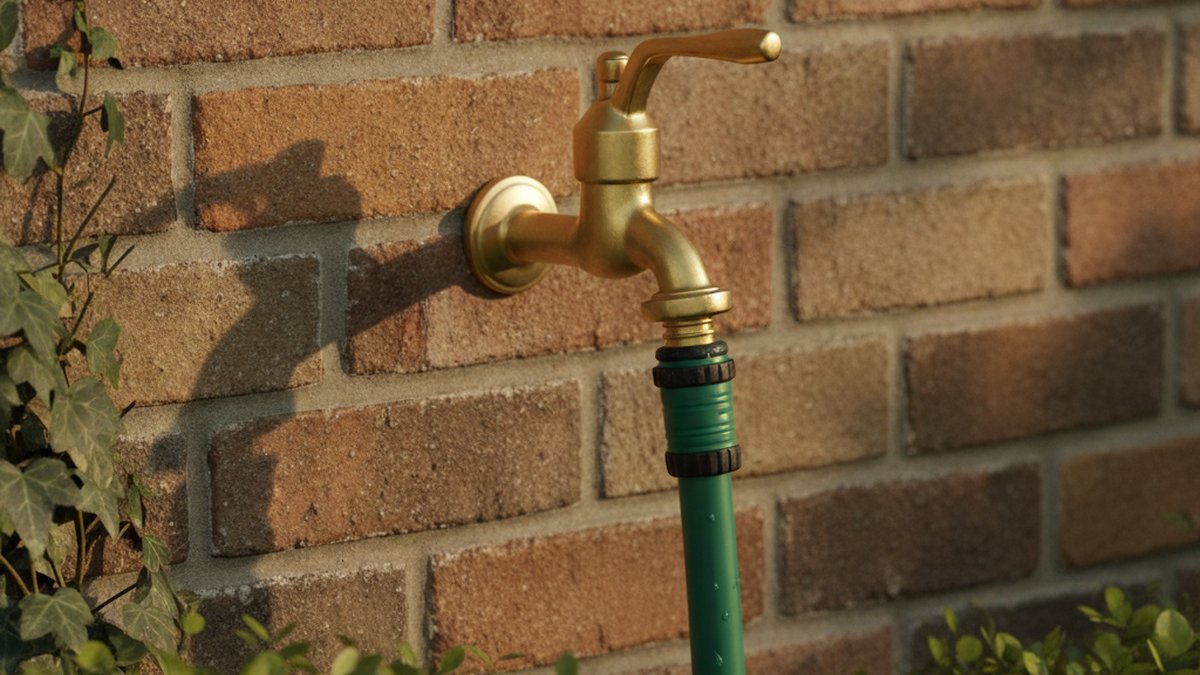
If you’ve been searching for a brass outdoor faucet by Goodland, you’re almost certainly staring at a leaky, seized, or corroded hose bibb on the side of your house and trying to decide whether a solid-brass upgrade is actually worth the extra money. Short answer: for most homeowners, it is. Below we’ll walk through exactly what you’re buying, how it compares to other outdoor faucet types, how to pick the right size and thread, and how to install it without ending up with a leak behind your siding.
We sell and spec outdoor fixtures every day at avitashome.com, so this isn’t a generic roundup — it’s the same guidance we give customers who call asking “which hose bibb won’t fail on me again?”
What exactly is a brass outdoor faucet by Goodland?
It’s an exterior spigot — also called a hose bibb, sillcock, or wall hydrant — made from solid cast brass rather than zinc alloy, plastic, or thin plated steel. Goodland is one of the value-focused brands that makes forged and cast-brass outdoor faucets in the common U.S. sizes (3/4″ MIP inlet, 3/4″ GHT hose outlet), typically with a quarter-turn ceramic cartridge or a traditional compression stem.
The important part isn’t the name on the box — it’s the material. “Solid brass” means the body, stem, and bonnet are brass all the way through, not brass-plated zinc. Brass is an alloy of copper and zinc, and good outdoor-grade brass is usually a lead-free formulation (often a silicon or bismuth brass) that meets the U.S. “lead-free” plumbing standard. That matters because an outdoor faucet still feeds water you’ll use for gardens, pets, and filling a kids’ pool.
Why does anyone care about brass specifically? Three reasons:
- It doesn’t rust. Brass has no iron, so unlike stamped-steel valves it won’t bleed orange streaks down your siding.
- It survives freeze-thaw. Brass is ductile — it flexes slightly instead of shattering the way zinc die-cast bodies do when trapped water expands.
- It’s rebuildable. A brass faucet has replaceable washers, O-rings, and cartridges, so a drip is a 10-minute fix, not a reason to buy a whole new unit.
Is a solid brass hose bibb actually better than the $8 one at the hardware store?
Yes, and the gap is bigger than the price suggests. The cheap $6–$10 spigots are almost always die-cast zinc with a thin chrome or brass-colored plating. They work for a season or two, then the zinc develops white powdery corrosion, the handle snaps, or the body cracks the first hard winter. A solid-brass faucet in the $20–$45 range typically outlasts three or four of those.
Here’s the honest breakdown of where your money actually goes:
| Faucet type | Typical price | Lifespan outdoors | Freeze resistance | Rebuildable? |
|---|---|---|---|---|
| Zinc die-cast (hardware store) | $6–$12 | 1–4 years | Poor — body can crack | Rarely |
| Plated/stamped steel | $8–$15 | 2–5 years | Fair | Sometimes |
| Solid brass hose bibb (e.g. Goodland) | $20–$45 | 10–20+ years | Good with proper draining | Yes |
| Frost-free brass sillcock | $35–$70 | 15–25+ years | Excellent — valve seats inside the heated wall | Yes |
Notice the last row. A standard brass hose bibb is a big upgrade over zinc, but if you live anywhere that freezes hard, the real champion is a frost-free brass sillcock — a long-stemmed design where the actual shutoff valve sits 6″–12″ inside your warm wall, so no water sits in the exposed portion to freeze. Many brass outdoor faucet lines, including Goodland’s, offer both the short standard bibb and the long frost-free version. Match the choice to your climate.
Which size and thread do I need so it actually fits my pipe?
You need to match two things: the inlet thread that screws onto your house plumbing, and the hose outlet. For almost every U.S. home that’s a 3/4″ MIP (male iron pipe) inlet and a 3/4″ GHT (garden hose thread) outlet — but don’t assume; check before you buy.
Here’s how to confirm it in under five minutes:
- Look at the hose outlet. If your current garden hose screws on directly, your outlet is standard 3/4″ GHT. Almost universal in North America.
- Find the inlet size. The pipe feeding the faucet is usually 1/2″ or 3/4″. A 3/4″ MIP faucet is the most common; if your supply is 1/2″, you’ll either want a 1/2″ inlet faucet or a reducing adapter.
- Check inlet type. Threaded (MIP) is most common for replacements. Some setups use a sweat/solder connection to copper or a push-fit — note which you have.
- Measure the stem length if you’re going frost-free. Measure wall thickness plus insulation; the valve seat needs to sit inside the heated space. Common frost-free lengths are 6″, 8″, 10″, and 12″.
Thread mismatches are the number-one reason a brass outdoor faucet “won’t fit.” MIP (tapered male pipe thread) and GHT (straight garden hose thread) look similar but are not interchangeable — don’t try to force a garden-hose fitting onto a pipe thread. If you’re installing on a plastic or vinyl exterior, the mounting flange and sealing matter just as much as the thread; our guide on what outdoor faucet to use with vinyl siding and how to mount it without leaks covers the exact backer and flashing approach that keeps water out of the wall.
How do I install a brass outdoor faucet without a leak behind the wall?
The core move is simple: shut off the water, unthread the old faucet, wrap the new one’s male threads with PTFE tape or pipe dope, and thread it on hand-tight plus one to two turns with a wrench — stopping with the outlet pointed down. The leaks happen when people skip the sealant, over-tighten brass into brass, or ignore the wall penetration.
Step by step:
- Shut off the supply to that line and open the faucet to drain pressure.
- Remove the old faucet. For threaded bibbs, turn counterclockwise with a pipe wrench while bracing the pipe behind the wall so you don’t twist and crack it.
- Clean the male threads on the stub-out. Wrap 3–5 turns of PTFE thread-seal tape clockwise, or use a quality pipe-thread compound. Tape is for the tapered pipe thread only — never on the garden-hose outlet.
- Thread the new brass faucet on by hand, then snug with a wrench until the outlet faces straight down and it’s tight. Don’t gorilla it — brass can gall or crack at the fitting if massively over-torqued.
- Seal the wall penetration. Caulk around the flange where the faucet meets the siding so wind-driven rain can’t track inside. On vinyl or lap siding use a mounting block.
- Turn the water back on slowly and check for drips at the threaded joint and at the stem under pressure.
If your new faucet drips from the spout rather than the threads after a while, that’s a worn washer or cartridge, not a bad install — and because it’s brass, it’s rebuildable. The same logic applies indoors; if you’re the DIY type, our walkthrough on what “fix leaky faucet” really means and how to actually do it yourself explains washers, seats, and cartridges in plain language that carries straight over to an outdoor bibb.
Will a Goodland brass faucet survive winter, or do I still have to drain it?
A standard (non-frost-free) brass bibb will survive winter only if you drain and protect it; a frost-free brass sillcock survives on its own if it’s installed with the correct downward pitch. Brass resists cracking better than zinc, but no exposed valve is magic — trapped water that freezes can still split a line or blow out a washer.
Your winterizing checklist for a standard brass hose bibb:
- Disconnect and store the garden hose — a hose left attached traps water in the faucet and is the single most common cause of a frozen, burst bibb.
- Shut off the interior shutoff valve feeding that line, if you have one.
- Open the outdoor faucet to let the remaining water drain out, then leave it open through winter.
- Add an insulated faucet cover (a few dollars) for extra margin in hard-freeze regions.
If you went frost-free, the only real rule is: keep the garden hose off in winter. A hose left on a frost-free sillcock defeats the whole design, because it stops the stem from draining and lets water freeze right at the seat.
What finish should I pick, and does unlacquered brass turn green?
For an outdoor faucet, pick based on looks and upkeep: polished or satin brass with a protective coating stays shiny with no effort; raw (unlacquered) “living finish” brass will patina to a warm bronze-brown over time, which many people love on farmhouse and heritage homes. Neither one rusts, because there’s no iron — the “green” you sometimes see is verdigris, a thin copper-oxide patina, not structural decay.
| Finish | Look over time | Maintenance | Best for |
|---|---|---|---|
| Polished brass (coated) | Stays bright gold | Low — wipe occasionally | Modern or classic homes wanting shine |
| Satin/brushed brass | Soft matte gold, hides water spots | Low | Hard-water areas |
| Unlacquered/raw brass | Patinas to bronze/brown, can green slightly | None (intentional) or polish to restore | Farmhouse, heritage, “living finish” lovers |
| Oil-rubbed bronze over brass | Dark, lightens at wear points | Low | Craftsman and traditional exteriors |
If you want the look of brass indoors too — on a tub filler or a wall-mounted mixer — the same corrosion logic applies, and our piece on whether a brass wall-mounted faucet setup is the right choice for your bathroom or kitchen digs into coated vs. living finishes in more detail.
How does Goodland stack up against other outdoor faucet brands?
Goodland competes in the value tier: you get genuine solid-brass construction at a price well below premium plumbing brands, which makes it a strong pick for a straightforward hose-bibb replacement where you don’t need a designer finish. If you’re outfitting a whole exterior or want a specific designer finish, a premium brand may be worth the step up — but for pure “give me a durable brass spigot that won’t fail,” the value tier delivers the material that matters most.
How to judge any outdoor-faucet brand, not just this one:
- Confirm “solid brass,” not “brass finish.” The listing should say the body is forged or cast brass. “Brass-colored” or unlisted material usually means plated zinc.
- Look for a lead-free compliance claim (the U.S. lead-free plumbing standard). Outdoor water still ends up on food gardens and pets.
- Check the valve type. Quarter-turn ceramic cartridges are smoother and longer-lived; compression stems are cheaper and endlessly rebuildable with a $1 washer.
- Read the warranty. A brand confident in its brass will back it for years, not months.
For the bigger picture on separating marketing from metallurgy across the whole category, our guide to the best quality faucet brands to buy in 2026 and how to tell a good one apart lays out the exact spec-sheet tells we use when we decide what to stock.
Expert note, credibility, and standards
Author note: This guide was written by the avitashome.com fixtures team — the same people who field daily questions from homeowners and contractors about hose bibbs, sillcocks, and winterizing. We’ve installed, tested, and warrantied outdoor brass faucets across freeze-prone and coastal climates, so the advice here is based on what actually fails in the field, not spec-sheet theory.
On standards and warranty: We recommend only outdoor faucets whose bodies are genuine solid brass and whose wetted parts meet the U.S. lead-free plumbing requirement (the Safe Drinking Water Act “lead-free” standard, ≤0.25% weighted lead content). We pressure- and leak-test the outdoor fixtures we stock, and we steer customers toward units carrying a multi-year manufacturer warranty — because a rebuildable brass faucet backed by a real warranty is what separates a 15-year fixture from a one-season throwaway.
FAQ
Is the brass outdoor faucet by Goodland lead-free and safe for drinking water or garden use?
Outdoor-grade brass faucets sold in the U.S. are expected to meet the federal lead-free standard (≤0.25% weighted lead), making them safe for garden watering, pets, and filling pools. Always confirm the specific listing states “lead-free,” and if you plan to drink directly from the hose regularly, run it for a few seconds first to flush any water that sat in the line.
What’s the difference between a hose bibb, a sillcock, and a spigot?
They’re largely the same thing — an outdoor faucet you attach a garden hose to. “Spigot” and “hose bibb” usually mean the short standard version; “sillcock” most often refers to the longer frost-free design whose valve sits inside the wall. Functionally you’re choosing between standard (short) and frost-free (long), and the right pick depends on how cold your winters get.
Can I install a brass outdoor faucet myself, or do I need a plumber?
If your existing faucet is threaded onto a pipe stub-out, it’s a confident DIY job — shut off the water, unthread the old one, seal the threads with PTFE tape, and thread on the new brass faucet pointed downward. You’d want a plumber only if the connection is soldered copper and you’re not comfortable with a torch, or if the pipe behind the wall is damaged.
Why does my new brass outdoor faucet still drip after I shut it off?
A drip from the spout means a worn washer, seat, or cartridge, not a defective faucet — and because brass units are rebuildable, it’s usually a quick, cheap fix. Shut off the water, remove the stem or cartridge, and replace the washer or O-ring. A drip from the threaded joint instead means the thread seal failed; redo it with fresh PTFE tape.
Do I really need the frost-free version, or will a standard brass bibb do?
If winters where you live regularly drop below freezing, go frost-free — it keeps the shutoff valve inside your warm wall so no water sits exposed to freeze. In mild climates that rarely freeze, a standard brass bibb is perfectly fine as long as you disconnect the hose. Either way, never leave a hose attached through a hard freeze.
How long should a solid brass outdoor faucet last?
A properly installed solid-brass hose bibb commonly lasts 10–20 years, and a frost-free brass sillcock can go 15–25+ years, because the body doesn’t rust or crack and the internal parts are replaceable. That’s three to four times the life of a zinc die-cast hardware-store spigot, which is why the modest upfront premium pays off.