 Avitas Home
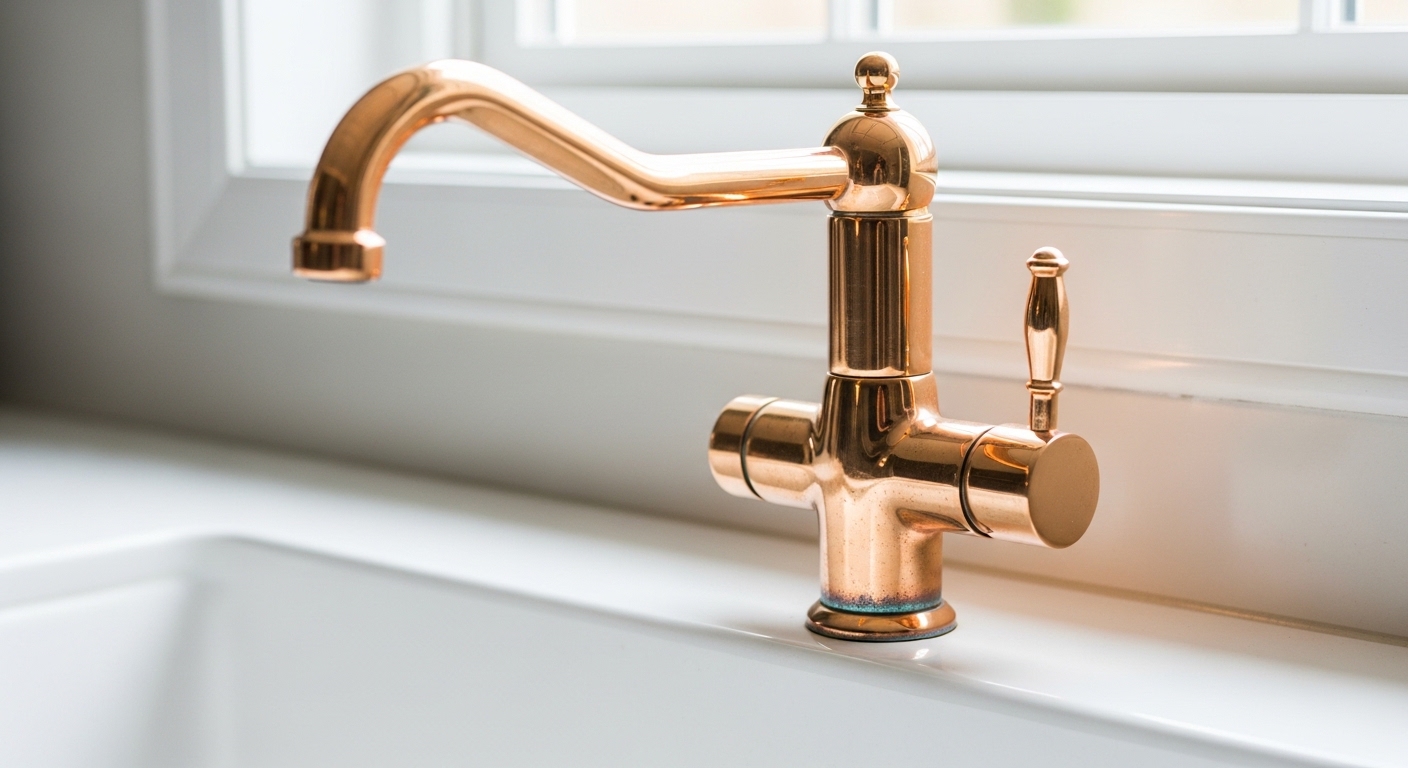
Let’s clear up the confusion first, because the phrase copper tap omagh menu gets typed into search bars by two very different people. One group wants the drinks-and-food menu of a hospitality spot in Omagh, Northern Ireland. The other group — and this is where we can genuinely help — is shopping for a copper tap (that’s British and Irish English for a faucet) and got tangled up in local search results. If you’re in the second group, you’re in exactly the right place. This guide explains what a real copper tap is, how to tell solid copper from a cheap coating, what you should pay, and how to keep it looking good for years.
We’re a faucet and bathroom-fixtures brand, not a restaurant, so we’ll stay strictly in our lane: taps, finishes, cartridges, and installation. If it’s the food menu you wanted, no hard feelings — but stick around, because a proper copper tap is one of the few fixtures that genuinely gets more beautiful with age.
Why does “copper tap omagh menu” show up when I search for a faucet?
Because search engines mix hospitality listings with hardware. “Tap” in the UK and Ireland means the same thing Americans call a “faucet,” and there are pubs, bars, and cafés that use “Copper Tap,” “The Copper Tap,” or similar names — often tied to a town like Omagh. So a search for the fixture pulls up a food-and-drinks menu instead, and a search for the venue pulls up plumbing shops. It’s a classic case of one word, two worlds.
If you truly want the hospitality menu, your best move is to search the venue’s name plus “hours” ou “booking,” or check its social pages directly — we can’t publish someone else’s menu here. But if you’re renovating a kitchen or bathroom and a copper tap caught your eye, the rest of this article is written for you. Everything below is about choosing, buying, and living with a real copper faucet.
What actually counts as a “real” copper tap?
A real copper tap is one whose body is either solid copper or copper-plated brass over a machined brass core — not a painted or PVD “copper-tone” coating over cheap zinc alloy (often labeled “zamak”). That single distinction decides whether your tap lasts 20 years or starts flaking in 12 months.
Here’s the plain-language version. Copper and brass are heavy, corrosion-resistant metals that machine cleanly and hold a finish. Zinc alloy is light, brittle, and prone to pitting — it’s fine for a decorative knob, not for a fitting that gets water and hands on it all day. Marketing photos make all three look identical. The metal underneath does not.
- Solid copper: The whole visible body is copper. Warm, develops a natural patina, self-heals scratches over time as it re-oxidizes. Heaviest and priciest.
- Copper-plated brass (or PVD copper over brass): A brass core with a durable copper or copper-color finish bonded on. Excellent longevity, more affordable, resists tarnish if you want it to stay bright.
- Copper-look coating over zinc: Sprayed or thinly plated onto pot-metal. Feels light, chips at the spout and base, and no warranty will save it. Avoid.
The tell-tale test in a showroom or at delivery: pick it up. A solid-copper or brass-bodied tap has real heft — a single-lever kitchen model typically weighs 3–6 lb (1.4–2.7 kg). If it feels like a toy, it is one.
Solid copper vs. copper-plated vs. copper-look: which should I buy?
Buy solid copper if you want a living, patinating finish and long life and you don’t mind the price; buy copper-plated brass if you want the look with lower cost and a consistent tone; never buy copper-look-over-zinc for anything that touches water daily. Here’s how they stack up.
| Type | Core material | Typical price (kitchen) | Lifespan | Patina behavior | Best for |
|---|---|---|---|---|---|
| Solid copper | Copper throughout | $250–$450+ | 20–30+ years | Ages to deep bronze unless sealed | Farmhouse, rustic, statement sinks |
| Copper-plated brass / PVD copper | Machined brass | $150–$300 | 15–25 years | Stays stable/bright; minimal patina | Modern kitchens, hard-water homes |
| Copper-look over zinc | Zinc alloy (zamak) | $40–$90 | 1–3 years | Peels/chips, not a true patina | Short-term rentals only (honestly, skip) |
For most homeowners, copper-plated brass is the sweet spot: you get the warmth and the corrosion resistance without the solid-copper premium, and the finish behaves predictably. If you specifically want that hand-forged, evolving-over-time look — the kind that pairs with a hammered copper sink — go solid. If you’re weighing copper against other warm metals, our guide on whether a brass faucet gooseneck is the right choice for your kitchen or bathroom walks through the same trade-offs from the brass side.
How much should a copper tap cost, and what am I paying for?
A quality copper tap costs roughly $150–$450, and you’re paying for three things: the metal, the cartridge, and the finish process. Anything under about $100 that claims to be copper is almost certainly coated zinc.
Break it down and it makes sense. Solid copper and brass cost far more per pound than zinc, and they’re heavier, so material alone adds real money. The ceramic-disc cartridge — the part that actually controls flow and mixing — separates a tap that stays drip-free for 15 years from one that leaks by month six; good cartridges (Sedal, Kerox, or a major-brand equivalent) cost the manufacturer more. And a proper finish, whether it’s a lacquer to lock in bright copper or a PVD process for durability, is a genuine manufacturing step, not a spray booth.
- $40–$90: Copper-look zinc. Expect chipping and a wobbly cartridge. Fine as a photo prop, not a daily tap.
- $150–$300: Copper-plated brass with a ceramic cartridge and a multi-year warranty. The value zone.
- $300–$450+: Solid copper, often hand-finished, frequently paired with matching copper sinks. Buy it for the look and the longevity.
One more cost note: watch the flow rate. In the US, kitchen faucets are federally capped at 2.2 GPM and bathroom faucets at a lower limit (many states enforce 1.2 GPM or less). A legitimate copper tap will list its GPM and usually carry a WaterSense or equivalent efficiency note — a red flag if the spec sheet is silent on it.
Does a copper tap turn green, and how do I keep it looking good?
Copper doesn’t rust, but bare copper does develop a patina — first a warm bronze, eventually a green verdigris if left completely unsealed in a wet spot. Whether that’s a feature or a flaw depends entirely on the look you want, and you control it.
If you love the aged look, buy an unlacquered (“living finish”) copper tap and let it do its thing; you can speed or slow the patina with how often you polish. If you want it to stay bright and rose-gold, buy a lacquered or PVD copper finish and simply wipe it dry after use. Two rules keep any copper tap happy:
- Skip abrasive and acidic cleaners on lacquered copper. No bleach, no scouring powder, no harsh bathroom sprays — they strip the seal and let the patina break through unevenly. Warm water and a soft cloth handle daily cleaning.
- For hard-water spotting, a gentle mineral-descaling routine works, but keep strong acids off the finish. Our walkthrough on cleaning a faucet head with white vinegar is great for the aerator and spout screen — just don’t soak a lacquered copper body in vinegar, since prolonged acid contact will etch the seal.
Living-finish fans often like a periodic buff with a copper polish (or a classic lemon-and-salt rub) to bring back shine, then let it re-darken. There’s no wrong answer — it’s your tap, your patina.
Where should I buy a copper tap I can actually trust in 2026?
Buy from a seller who states the core metal, the cartridge brand, the flow rate, and the warranty in writing — not just “copper finish” and a pretty photo. If those four specs aren’t listed, assume the worst and move on.
Local searches like “copper tap omagh menu” tend to send you toward hospitality venues or general hardware shelves where the staff can’t tell you what’s under the finish. A specialist fixtures retailer will publish the spec sheet, honor a real warranty, and stock matching accessories. If you’re comparing regional buying options, our piece on where to buy a real copper tap in Fox Lake uses the same buyer’s checklist you can apply anywhere, and if you want a broader take on retailers, the best place to buy a bathroom faucet in the USA in 2026 covers what a trustworthy fixture seller looks like.
Quick pre-purchase checklist:
- Core metal stated: “solid copper” ou “brass” — never just “copper-colored.”
- Cartridge named: ceramic disc, ideally a known maker.
- Compliance: lead-free certification (US NSF/ANSI 61 and 372) and a listed GPM.
- Warranty: at least 5 years on finish and function; the best run lifetime on the cartridge.
- Fit: confirm hole count and deck thickness match your sink before ordering.
Can I install a copper tap myself, and what should I check first?
Yes — swapping a standard single-hole or three-hole copper tap is a manageable DIY job for most homeowners, usually 45–90 minutes with basic tools, as long as your supply lines and shut-off valves are in good shape. The copper part changes nothing about the plumbing; it installs like any other deck-mounted faucet.
Before you order, verify three things: the number of holes in your sink or countertop (single-hole vs. widespread/three-hole), the deck thickness the tap’s mounting hardware can clamp (thick stone counters sometimes need an extension kit), and your supply-line connection size so you’re not scrambling mid-install. If you’re unsure on that last one, our reference on the most common faucet supply line size tells you exactly what to look for and which fits your setup.
The general sequence:
- Shut off both hot and cold supply valves and open the tap to relieve pressure.
- Disconnect the old supply lines and remove the old faucet’s mounting nuts from below.
- Clean the deck, set the new gasket, drop the copper tap in, and tighten the mounting hardware evenly.
- Reconnect supply lines (use fresh braided lines and plumber’s tape on threads), turn water back on slowly, and check every joint for drips.
- Run the tap 60 seconds to flush debris, then check the aerator flow.
If your shut-off valves are corroded or you have galvanized supply lines, that’s the point to call a plumber — the tap is the easy part.
Copper tap vs. brass, matte black, and other finishes — how do I choose?
Choose copper for warmth and a finish that evolves, brass for a slightly harder-wearing warm tone, and matte black for a modern, fingerprint-hiding contrast — the “right” one is mostly about your sink, countertop, and how much upkeep you want. Copper is the most characterful and the most maintenance-flexible (you decide the patina). If you’re drawn to warm metals but not sure copper is it, compare with a matte black RO tap for filtered-water setups or a brass rainfall shower head to see how brass behaves in a wet environment — the same durability logic applies across all of them: real metal core, ceramic control, honest warranty.
FAQ
Is “copper tap omagh menu” a faucet or a restaurant?
It’s ambiguous — the phrase usually points to a hospitality venue’s food-and-drinks menu, since “Copper Tap” is a common bar/café name and “tap” also means faucet. If you wanted the venue, check its own social pages for the menu. If you wanted the fixture, “tap” is British/Irish English for “faucet,” and this guide covers how to choose a real copper one.
Will a copper tap contaminate my drinking water?
No — a compliant copper tap is safe. In the US, faucets must meet lead-free standards (NSF/ANSI 372, with wetted-surface testing under NSF/ANSI 61), and copper itself is a stable, food-safe metal used in plumbing for over a century. Always confirm the certification is listed; if you want the full explanation, our lead-free faucet guide breaks down what those standards actually mean.
How do I stop my copper tap from tarnishing?
Buy a lacquered or PVD copper finish rather than a raw “living finish,” wipe it dry after use, and clean it only with warm water and a soft cloth — no bleach, scouring powder, or acidic sprays. If you actually want the aged bronze look, buy unlacquered copper instead and let it patina naturally.
Is a solid copper tap worth the extra money over copper-plated?
It’s worth it if you want a genuine evolving patina, the heaviest build, and a 20–30 year lifespan, and you’re pairing it with a copper or rustic sink. If you mainly want the copper look at a lower price with a stable, bright finish, copper-plated brass ($150–$300) gives you most of the benefit for less.
Can I put a copper tap over a stainless or white sink?
Absolutely — copper reads as a warm accent against cool stainless or crisp white, and it’s a popular contrast choice. Just match the tap’s mounting configuration (single-hole vs. widespread) to your sink’s existing holes, and consider the rest of your hardware so the warm tone has a friend or two in the room.
What warranty should a copper tap come with?
Look for at least a 5-year warranty on finish and function, with the strongest brands offering a limited lifetime warranty on the ceramic cartridge and finish. A tap sold without any stated warranty is a signal the maker doesn’t trust the metal underneath — treat that as a reason to walk away.
Author note: This guide was written by the avitashome fixtures team, who spend their days specifying, testing, and installing kitchen and bathroom taps. About avitashome: we’re a dedicated faucet and bathroom-fixtures retailer at www.avitashome.com, and every tap we stock is checked for lead-free compliance (NSF/ANSI 61 & 372), ceramic-cartridge quality, and a warranty we’ll actually stand behind. We don’t publish restaurant menus — but we’ll happily help you find a copper tap that outlasts your kitchen remodel.